
The Global Shift Toward Boutique Craftsmanship Proves That Intention Is the Ultimate Asset
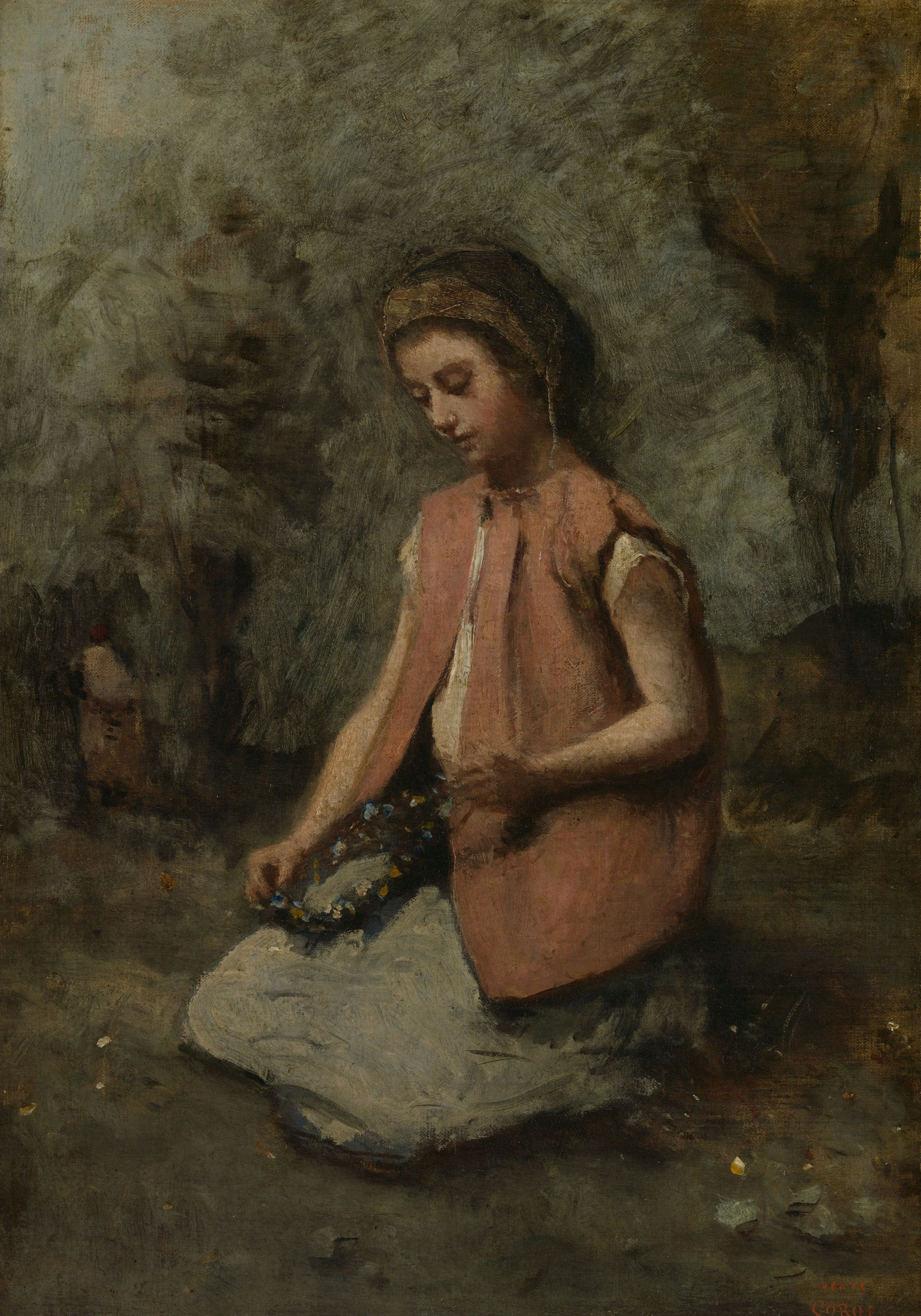
Girl Weaving a Garland. Camille Corot, 1860–65. Courtesy the Metropolitan Museum of Art, New York.
We are witnessing a beautiful return to meaning, where the value of an object is measured not by its exclusivity but by its humanity.
The Rise of the Conscious Collector
A quiet revolution is reshaping the landscape of high-end consumption, moving the definition of luxury away from mere opulence and toward a deeper sense of purpose. The traditional markers of status—logos, excess, and ubiquity—are steadily being replaced by a desire for authenticity, transparency, and ethical stewardship. A recent study by HTF Market Intelligence underscores this profound shift, revealing that the global boutique ethical luxury market is not merely growing; it is thriving. With a projected surge from $5.9 billion in 2025 to $18.2 billion by 2033, the data confirms that discerning consumers are increasingly voting with their wallets for a future where elegance and responsibility coexist.
Defining the New Standard of Refinement
The boutique ethical luxury market represents a sophisticated fusion of high-end craftsmanship and unwavering social responsibility. This sector distinguishes itself through its commitment to transparency, eco-friendly materials, and fair trade practices. Unlike mass-market luxury, which often relies on volume and rapid production, these boutique entities focus on small-batch couture, artisan-made collections, and responsible leather goods. The emphasis here is on quality over quantity, a core tenet of minimalist luxury that prioritizes enduring value over fleeting fashion trends.
This movement is driven significantly by a demographic shift. Younger generations, specifically Millennials and Gen Z, are accumulating wealth and bringing with them a new set of values. For these consumers, the provenance of an item is as important as its aesthetic appeal. They seek brands that align with their personal identity and beliefs, favoring those that can prove a traceable supply chain and a minimal environmental footprint. This demand for accountability is pushing the industry toward greater innovation, from upcycled luxury materials to the use of recycled metals in fine jewelry.
Craftsmanship and the Art of Slow Living
One of the most compelling aspects of this market boom is the resurgence of artisanal collaboration. Brands are increasingly partnering with skilled craftspeople to create limited-edition collections that celebrate heritage techniques. This approach not only preserves traditional skills but also ensures that each piece tells a unique story. In an era of digital saturation, the tangible connection to human hands and history offers a rare form of exclusivity.
Digital storytelling plays a crucial role in this ecosystem. Boutique brands are leveraging technology not to mass-produce, but to communicate the narrative behind their products. By sharing the journey of a garment—from the sourcing of raw materials to the final stitch—these companies build a bridge of trust with their clientele. This transparency fosters a deeper appreciation for the time and skill that go into creation, encouraging a slower, more intentional approach to living.
Navigating the Path Forward
While the trajectory is upward, the path for ethical luxury is not without its hurdles. The report highlights challenges such as high production costs and limited scalability. Ethical sourcing and fair labor practices inherently cost more than exploitative alternatives, narrowing profit margins. Furthermore, the complex certification processes required to verify claims of sustainability can be a barrier for smaller independent labels.
However, these challenges also serve as a filter, ensuring that only the most committed and innovative brands thrive. The niche nature of the audience, once seen as a limitation, is now a strength. It fosters a community of dedicated patrons who understand that true cost reflects the dignity of labor and the health of the planet. As regulatory scrutiny of supply chains increases globally, these boutique brands are well-positioned to lead, having already embedded compliance and ethics into their DNA.
A Future of Intentional Elegance
The expansion of the boutique ethical luxury market signals a broader cultural alignment with the principles of essentialism and conscious consumption. It suggests a future where the items we choose to bring into our lives are selected with profound care. As the market grows, it offers a refreshing alternative to the cycle of disposable trends, inviting individuals to curate a life of sophistication, meaning, and enduring style. The booming numbers are impressive, but the real story lies in the collective decision to value the human and environmental cost of beauty.