Experts Weigh in on the Origin of Clutter and What to Do About It
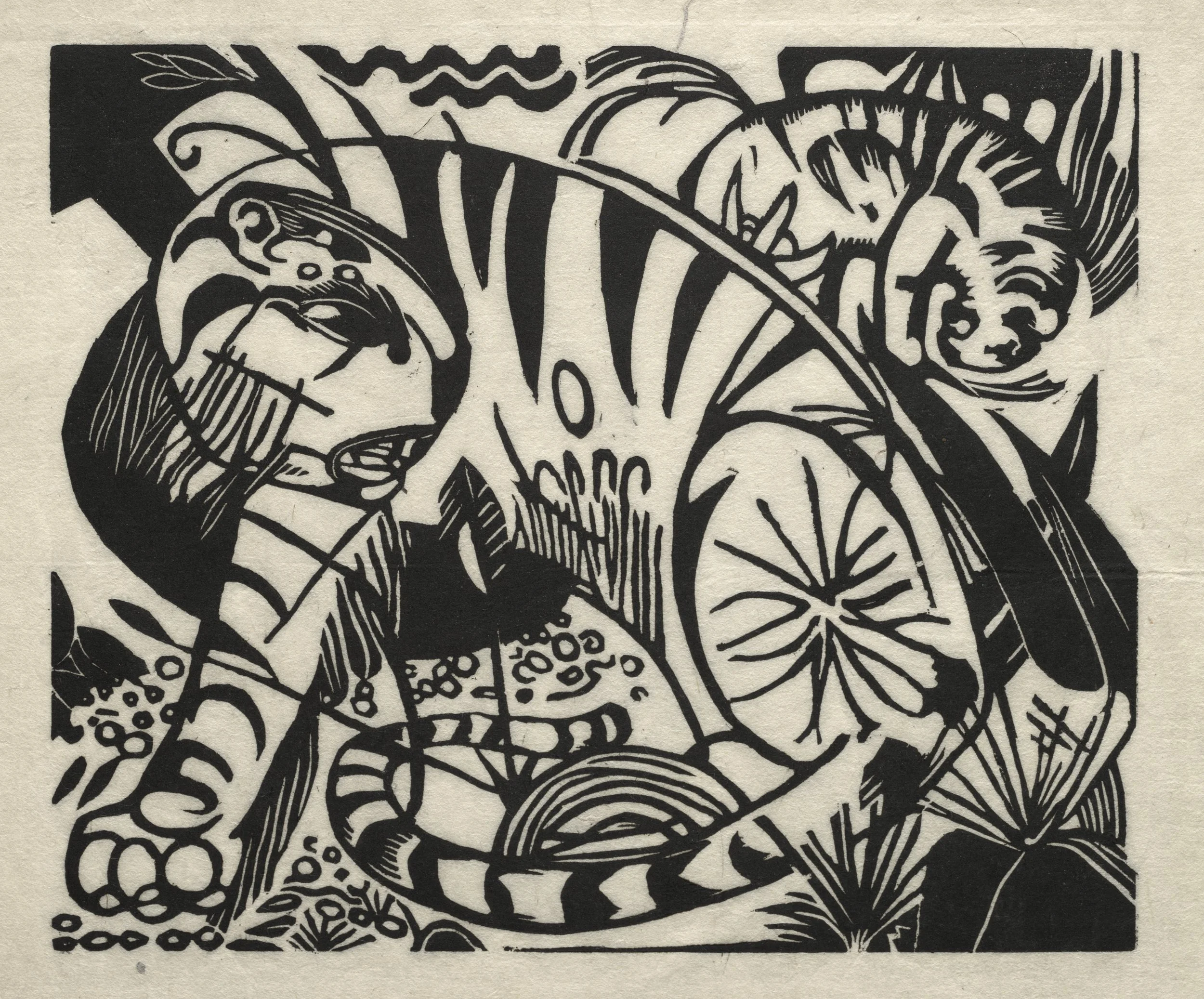
Tiger. Franz Marc, 1912. Courtesy the Cleveland Museum of Art, Cleveland.
Embrace simplicity by decluttering physical and emotional baggage to focus on what truly matters.
In today's world, many of us find ourselves overwhelmed by the sheer volume of stuff we own. Clutter fills not only our homes but also our minds, contributing to stress and anxiety. In a recent episode of BBC’s Woman's Hour, experts discussed this pervasive issue, exploring the psychology of clutter, its history, and effective decluttering strategies.
The History of Clutter
The concept of "clutter" is a relatively modern phenomenon. It's closely linked to the rise of consumer societies and the mass production of goods.
Historian Jane Hamlett explains that in Victorian Britain, we see almost the "birth of clutter". The Industrial Revolution led to increased production, and growing incomes meant more people could afford to fill their homes with belongings.
Ironically, this also led to an anti-clutter movement called the design reform movement, as tastemakers pushed back against what they saw as overly cluttered homes.
Over time, attitudes toward our belongings have continued to evolve, shaped by factors like social status, gender roles, and economic conditions.
The Psychology of Stuff
Psychotherapist Stelios Kiosses adds depth to the discussion by explaining the psychology behind our attachment to objects. We develop emotional connections to items from a young age, and these attachments can continue into adulthood.
These items become "talismans of your life," each telling a story. They remind us of important relationships, achievements, or milestones. This is why parting with inherited items, for example, can be so difficult.
However, it's important to distinguish between sentimentality and nostalgia. Sentimentality is an emotional attachment to items that represent something in the present, while nostalgia connects us to memories of the past. Understanding this difference can be helpful in the decluttering process.
Still, there's a fine line between healthy attachment and hoarding. Compulsive hoarding disrupts daily life and causes significant distress. While clutter may seem comforting to some, it becomes a problem when it interferes with sleep, organization, and overall well-being.
Feelings of shame often surround clutter, making it difficult for people to seek help. This is why self-compassion and a gentle approach are vital in any decluttering journey.
Strategies for Letting Go
So, how do we begin to declutter and cultivate a refined life?
Start small: Designer Michelle Ogundehin suggests tackling one drawer at a time, avoiding the overwhelming task of decluttering everything at once.
Ask the right questions: When decluttering with others, focus on identifying what to keep rather than what to discard.
Embrace the slow and steady approach: Professional organizers Ingrid Jansen and Leslie Spellman emphasize that decluttering is a process that requires kindness and self-compassion.
Have an exit plan: Before you even begin, decide where your unwanted items will go: donate, sell, or trash.
Curate, don't just clear: Decluttering isn't about minimalism; it's about surrounding yourself with items that "tell the story that you want it to tell".
Practicing Mindfulness
Ultimately, decluttering is about more than just tidying up. It's a pathway to a more intentional life. By letting go of excess, we create space for what truly matters: a clear mind, a peaceful home, and a life filled with purpose. As Michelle Ogundehin wisely states, "When you clear away the stuff that has no purpose in your life, you will feel better. Lighter, uplifted. Energized."
To learn more about decluttering strategies and the psychology behind our relationship with "stuff," listen to the full Woman's Hour episode here.