The State of Minimalist Luxury 2025:
How a New Definition of Value is Reshaping a Life Well-Lived
Published August 2025
The global luxury industry stands at a critical inflection point. After a period of unprecedented expansion, several of its primary growth-driving engines have stalled, leaving brands to navigate a landscape of economic uncertainty and profound shifts in consumer sentiment.¹ The era of unbridled excess and conspicuous consumption is giving way to a more deliberate, value-driven paradigm. This new chapter is not about the rejection of luxury, but its redefinition. Consumers are no longer asking, "What does this purchase say about my status?" but rather, "What value does this bring to my life?"
This report synthesizes key 2025 research to analyze this profound shift away from overt materialism and toward a more intentional framework for consumption and living: Minimalist Luxury. It is through this lens that we introduce "The Refined Life," a strategic response to the evolving desires of the modern consumer and a blueprint for the future of value. We will explore the forces reshaping the market, the mindset of the new luxury consumer, and the mandate for brands that wish to remain relevant in this discerning new world. The future belongs not to the loudest, but to the most resonant.
Contents
I. The End of Excess — A Luxury Market in Transition
II. The New Luxury Consumer — The Rise of the Discerning Individual
III. The New Value Equation — Redefining "Worth Having"
Key Concepts
Market Correction: The luxury market is experiencing a significant slowdown, with modest growth projections replacing the rapid, price-hike-fueled expansion of previous years.
Consumer Disillusionment: A growing "luxury fatigue" is taking hold, as consumers, particularly in mature markets, question the value proposition of goods with escalating price tags that lack corresponding improvements in quality or innovation.
A New Definition of Wealth: The aspirational focus is shifting from "High Net Worth" to "High Life Worth," prioritizing emotional fulfillment, personal growth, and meaningful experiences over material accumulation.
The Rise of Understated Luxury: A new consumer archetype, the "Inconspicuous Minimalist," is gaining prominence, favoring "quiet luxury"—high-quality, non-logoed items that signal discernment and knowledge rather than overt wealth.
The New Value Equation: Consumer priorities have been reordered, with purchasing decisions now heavily influenced by a desire for enriching experiences, products with legacy and investment value, authentic craftsmanship, and a brand's commitment to ethical and sustainable practices.
The Mandate for Brands: To succeed, brands must transition from selling status symbols to providing "instruments of transformation," offering products and narratives that align with a more intentional, value-driven, and curated lifestyle—the essence of "The Refined Life."
I. The End of Excess — A Luxury Market in Transition
After years of rapid growth, the luxury market is facing a significant slowdown, with pessimistic forecasts from industry executives signaling a more challenging economic period ahead.
Consumers, especially in mature markets, are feeling a growing disconnect between escalating prices and perceived value, leading them to question the worth of luxury goods.
The industry's heavy reliance on price increases for growth has reached its limit, as affluent customers express dissatisfaction with the lack of corresponding improvements in quality and innovation.
The Global Slowdown
The luxury sector is emerging from a period of exceptional value creation, having achieved a robust 5% compound annual growth rate between 2019 and 2023.¹ This expansion, fueled by pent-up demand and significant price hikes, created an atmosphere of boundless optimism. However, the industry is now confronting a starkly different reality. The momentum has dissipated, replaced by a significant and palpable slowdown that has tempered expectations across the board.² Global market growth is now projected to be modest at best, with forecasts estimating a narrow 1% to 3% expansion between 2024 and 2025, followed by a slightly more optimistic but still restrained 2% to 4% annual growth between 2025 and 2027.¹
This deceleration reflects a market grappling with macroeconomic headwinds, geopolitical instability, and a necessary correction after years of supercharged growth. The sentiment among industry leaders mirrors this challenging outlook; a recent survey reveals a pessimistic mood, with 43% of luxury executives believing that industry conditions will worsen in 2025.¹ This sobering consensus signals an end to the era of easy growth and the beginning of a more challenging period that will test the resilience and adaptability of every brand in the sector.
The Rise of "Luxury Fatigue"
Compounding the macroeconomic challenges is a growing internal disillusionment among consumers, a phenomenon best described as "luxury fatigue." This sentiment is particularly pronounced in mature markets like Europe and North America, where consumers are exhibiting a more cautious and discerning approach to spending.³ This fatigue is not simply about spending less; it's about a growing disconnect between the price of luxury goods and their perceived value. Customers are increasingly questioning whether the products offered by legacy and contemporary brands are truly worth their high and often escalating price tags.¹
This skepticism is a direct response to years of aggressive pricing strategies that have, in many cases, outpaced corresponding improvements in quality, innovation, or craftsmanship. The very definition of luxury is being called into question, as consumers begin to look beyond the logo for more substantive justifications for their purchases. This fatigue represents a critical threat to brands that have relied on brand equity alone to command premium prices, signaling a fundamental shift in the consumer mindset from passive acceptance to active evaluation.
The Problem with Price
The luxury industry's recent growth has been overwhelmingly reliant on a single lever: price increases. An astonishing 80% of the sector's growth from 2019 to 2023 can be attributed to raising prices rather than increasing sales volume.¹ This strategy, while effective in a booming market, has now reached a perilous ceiling. Brands can no longer rely on steep price hikes to fuel their growth, as consumer tolerance has worn thin.¹ This is not just an anecdotal observation; the data is clear and compelling. Approximately 80% of interviewed Ultra-High-Net-Worth (UHNW) clients have expressed dissatisfaction with the relentless price increases, with a significant number explicitly linking this frustration to a perceived lack of corresponding improvement in quality and innovation.³
The message from the most affluent consumers is unequivocal: the value proposition is eroding. This pricing bubble has created a precarious situation where brands risk alienating their core clientele and devaluing their own equity. The industry must now confront the consequences of this strategy and find new, more sustainable drivers of growth that are rooted in genuine value, not just perceived prestige.

II. The New Luxury Consumer — The Rise of the Discerning Individual
Aspirational values are shifting from "High Net Worth" to "High Life Worth," with consumers prioritizing emotional fulfillment, personal growth, and meaningful connections over material possessions.
A new consumer segment is on the rise, preferring subtle, high-quality, non-logoed items ("quiet luxury") that signal discernment to peers rather than broadcasting wealth to the masses.
Affluent consumers now see status as being earned through knowledge and respect, seeking brands that offer educational and enriching engagement beyond the product itself.
From "High Net Worth" to "The Refined Life"
The most significant transformation in the luxury landscape is not economic, but philosophical. We are witnessing a pivotal evolution from the valuation of "High Net Worth" to the cherishing of "High Life Worth."² This represents a fundamental recalibration of what it means to live a rich life, measured not in financial assets, but in emotional fulfillment, personal growth, and meaningful connections. The core question driving the modern affluent consumer is shifting from the materialistic "What do I own?" to the introspective and aspirational "Who am I becoming?"² This is a profound departure from the status-driven consumption of the past.
The data supporting this shift is overwhelming: a remarkable 89% of affluent consumers now define their key life moments not by acquisitions, but in terms of emotional fulfillment and human connection.² This is the foundational principle of "The Refined Life"—a recognition that true wealth is measured in the richness of one's experiences and the depth of one's personal journey. Brands that fail to grasp this evolution, that continue to market their products as mere symbols of financial success, will find themselves speaking a language their target audience no longer understands.
The "Inconspicuous Minimalist"
Emerging from this new value system is a distinct consumer archetype: the "Inconspicuous Minimalist." This growing segment of the market prioritizes subtlety, quality, and personal resonance over overt branding and logos.⁴ This consumer is the embodiment of the "quiet luxury" trend, favoring high-quality, non-logoed products that signal taste and discernment to a select group of peers, rather than broadcasting wealth to the masses.⁴
The motivation for this consumer is not the traditional conspicuous consumption meant for broad status signaling, but rather a desire for a more intimate form of social connection with those who share their knowledge and appreciation for true craftsmanship.⁴ They are not anti-luxury; they are anti-ostentation. They seek items that are "worth having" for their intrinsic qualities, not for the status they confer. This group represents a sophisticated and influential segment of the market, and their preference for understated elegance is a clear indicator of the direction in which the luxury market is heading.
Knowledge as the New Status
In the world of the new luxury consumer, the ultimate status symbol is no longer a handbag or a watch, but knowledge. Status is now earned through being knowledgeable and respected, a belief held by a striking 88% of affluent consumers.² This shift has profound implications for how brands must engage with their audience. It is no longer enough to simply present a beautiful product; brands must now provide context, tell stories, and offer a deeper level of engagement that appeals to the consumer's intellect and curiosity.
This is reflected in their passions and pursuits, with 95% of this demographic expressing a passion for exploring and learning in many areas of life.² They are not just consumers; they are connoisseurs, collectors, and lifelong learners. They seek brands that can enrich their understanding of the world, whether it's through the history of a particular craft, the innovation behind a new material, or the cultural significance of a design. In this new paradigm, the most valuable asset a brand can possess is not just its heritage, but its ability to educate, inspire, and engage in a meaningful dialogue with a consumer who values what they know as much as what they own.

III. The New Value Equation — Redefining "Worth Having"
Consumers are increasingly prioritizing spending on experiences like travel and wellness, with a significant majority of HNWIs expecting to shift their budgets away from physical goods.
The primary driver for luxury purchases is now the desire for enduring value, with consumers viewing items as long-term investments that can be passed down through generations.
A deep appreciation for authentic craftsmanship, quality materials, and ethical, sustainable practices has become a critical and expected component of the luxury promise.
Priority #1: Experiences Over Possessions
The new luxury consumer is actively and consciously reallocating their resources, and the trend is clear: experiences are winning. High-Net-Worth Individuals (HNWIs) are making more frequent and deliberate trade-offs between purchasing luxury goods and investing in enriching experiences.³ This is not a marginal shift, but a fundamental reordering of priorities. Approximately 80% of HNWIs expect to shift a portion of their spending away from tangible goods and towards experiential luxury and wellness.¹ This movement is consistent across all demographics. When surveyed about their preferred luxury categories, Travel & Hospitality emerges as the top choice, commanding 20% of the preference share and ranking significantly higher than the more traditional category of Fashion & Accessories, which sits at 15%.³
This data paints a vivid picture of a consumer who is increasingly seeking fulfillment, memories, and personal growth over the fleeting satisfaction of a new possession. For brands in the personal luxury goods sector, this presents a formidable challenge: they are no longer just competing with each other, but with the allure of a bespoke journey, a wellness retreat, or a once-in-a-lifetime adventure.
Priority #2: Legacy and Enduring Value
In a world of fleeting trends and disposable goods, the concept of permanence has become the ultimate luxury. The new luxury consumer is not just buying for today; they are investing for tomorrow. When asked to rank the factors that influence their luxury purchase decisions, the top-ranked response is, "I purchase products that increase in value over time and that I can pass down."³ This desire for intergenerational resonance and enduring financial value is the number one driver of purchase decisions, a priority that remains consistent even among the wealthiest UHNWIs.³
This mindset reframes luxury goods not as mere consumables, but as assets—heirlooms in the making that carry both sentimental and tangible worth. This focus on legacy is a direct counter-response to the ephemeral nature of modern consumer culture. It signals a desire for products with substance, longevity, and a story that can be passed down through generations. Brands that can successfully position their products as timeless investments, rather than seasonal indulgences, will resonate deeply with this core consumer value.
Priority #3: Authenticity and Craftsmanship
As consumers become more discerning, their focus is turning inward—to the intrinsic qualities of the products themselves. HNWIs are paying closer and more critical attention to the fundamental attributes of luxury goods, such as the quality of the materials, the integrity of the design, and the skill of the craftsmanship.³ This is not a superficial appreciation; it is a deep and knowledgeable evaluation of a product's inherent worth. When making purchase decisions, (U)HNWIs rank "quality" and "craftsmanship" as the fourth most important factor, placing them just behind the more pragmatic considerations of investment, innovation, and exclusivity.³
This highlights a sophisticated consumer who can distinguish between genuine quality and mere marketing. They are looking for authenticity in every stitch, every detail, and every material. In an industry where production has been scaled up to meet unprecedented demand, a renewed and demonstrable commitment to exceptional craftsmanship is not just a value-add; it is a necessity for restoring trust and justifying a premium price point.
Priority #4: Ethical and Sustainable Practices
The new luxury consumer is increasingly aware of the broader impact of their purchases, and ethical considerations are no longer a niche concern but a mainstream expectation. Sustainability has become a critical factor in the luxury value equation. Half of all luxury clients globally now state that a brand's commitment to sustainability is "extremely important" to their purchase decisions.¹ This sentiment is echoed across the affluent demographic, with nearly 70% of consumers reporting that they prefer to buy from companies that demonstrate a genuine care for the environment.²
This is a clear mandate for brands to move beyond superficial "greenwashing" and integrate authentic, transparent, and impactful ethical and sustainable practices into the core of their business operations. The modern consumer understands that true luxury cannot come at the cost of the planet or its people. They are seeking brands whose values align with their own, and they are willing to reward those who demonstrate a real commitment to responsible and conscious capitalism.

IV. Key Trends Forging the Future
The pre-owned luxury market is growing faster than the primary market, driven by consumer demand for sustainability, value, and unique items.
High-net-worth clients are actively seeking out smaller, innovative brands that offer a sense of discovery and a unique creative vision.
The principles of luxury are expanding beyond traditional categories, elevating everyday goods and services with a focus on quality, craftsmanship, and bespoke experiences.
The Second-Hand Market Boom
The pre-owned luxury market is no longer a fringe segment but a powerful force that is reshaping the industry. The second-hand market is experiencing a period of significant and sustained growth, with a trajectory that is outpacing the traditional primary luxury goods market.⁴ This boom is fueled by a confluence of factors that align perfectly with the values of the new luxury consumer. It is driven by a quest for unique, often discontinued, pieces that offer a sense of individuality, the thrill of finding attractive deals, and, crucially, a desire to make more sustainable and conscious consumption choices.⁴
This burgeoning market is not a threat to luxury brands, but an opportunity. The resale market reinforces a brand's commitment to sustainability by extending the lifecycle of its products, while also enhancing brand accessibility for a new generation of consumers and bolstering the perception of longevity and enduring value.³
The Power of Niche Brands
As established luxury houses grapple with issues of overexposure and creative stagnation, a growing number of discerning clients are looking elsewhere for novelty and innovation. Luxury clients, particularly HNWIs, are expressing a growing desire to discover and support new, niche brands.³ This is not a rejection of established names, but a search for a different kind of luxury—one that is more personal, unique, and often more aligned with their individual sense of style. The data is compelling: 80% of UHNWI clients highlight a desire to discover new and emerging brands.³
These smaller, often independent, labels offer a sense of discovery and exclusivity that can be hard to find in the global flagships of megabrands. They are often characterized by a strong, singular creative vision, a commitment to exceptional craftsmanship, and a more direct and intimate relationship with their clientele. The rise of these niche players is a clear signal that the luxury consumer is becoming more confident, more independent, and less reliant on traditional status symbols.
The "Luxification" of Everyday Life
The concept of luxury is breaking free from its traditional confines and permeating a wider range of product and service categories. We are witnessing the "luxification" of everyday life, a trend where traditionally mass-market sectors are being elevated through the introduction of bespoke experiences and ultra-premium products.³ This expansion is redefining where and how consumers experience luxury. From artisanal coffee and gourmet pantry staples to high-design home cleaning products and technologically advanced wellness devices, the principles of quality, craftsmanship, and exceptional experience are being applied to an ever-widening array of goods.
This trend reflects a consumer who is seeking to infuse their entire life, not just their wardrobe or jewelry box, with a sense of quality and intention. It demonstrates that luxury is no longer a category, but a mindset—a desire to elevate the everyday and find moments of refinement and pleasure in all aspects of life.
V. Conclusion — The Mandate for the Modern Brand
The landscape of luxury has been irrevocably altered. The confluence of a market slowdown, evolving consumer values, and a crisis of value has created a new reality. In this new landscape, the mandate for the modern brand is clear: it is time to shift from selling symbols of achievement to providing instruments of transformation.² The old currency of status and exclusivity is being replaced by a new one, rooted in personal growth, emotional fulfillment, and authentic connection. Success is no longer about having the most, but about living the most.
This requires a fundamental reset. A renewed and unwavering focus on product excellence and craftsmanship is paramount to restoring the industry's promise of quality and enduring value.¹ Brands must look beyond the allure of price increases and marketing hype and reinvest in the very soul of their products. The path forward is not about a return to the past, but about a reimagining of the future. The modern brand must become a partner to the consumer, providing the vision, the tools, and the inspiration to help them architect a life of authentic and deeply personal value—a life that is not just acquired, but curated. This is the essence of "The Refined Life." It is the future of luxury, and it is the only path forward. ∎
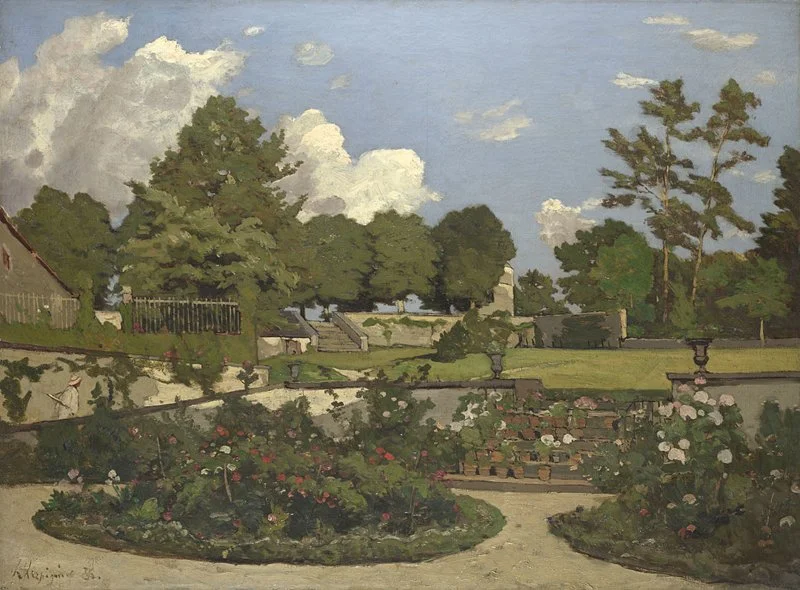
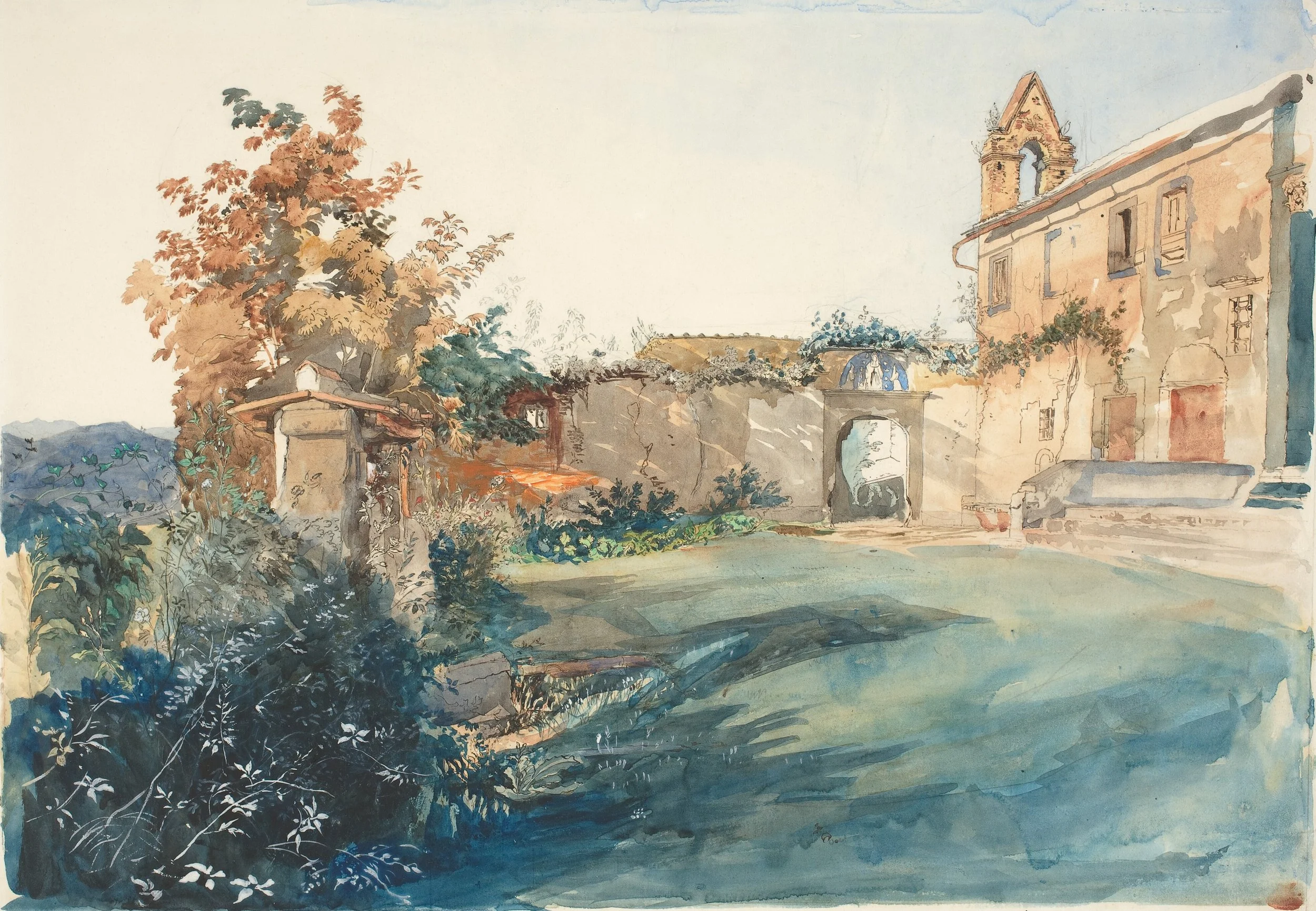
Cover Art: The Garden of San Miniato near Florence. John Ruskin, 1845. Courtesy the National Gallery of Art, Washington.
About Sukio
Sukio is the definitive guide to The Refined Life.
As the world of luxury shifts from a focus on ownership to one of personal evolution, we provide the strategic insights and practical frameworks for a life curated with intention. Our philosophy of minimalist luxury empowers you to build a sanctuary, invest in what is truly worthwhile, and design a life that is not just beautiful, but deeply and authentically your own.
Discover the new blueprint for a life of value at sukio.com.
Cited Sources
Amed, Imran, et al. The State of Fashion: Luxury. The Business of Fashion and McKinsey & Company, 2025.
Miller, Mark. Worth Beyond Wealth: The Evolution of Aspiration. Team One, 2025.
Gya, Roshan, and Anne-Laure Colcy. The New Lines of Luxury. frog, part of Capgemini Invent, 2025.
Dubois, David, et al. "Luxury: Where Next?" Psychology & Marketing, 2025.
Research & Insights
Research, trends, and expert insight at the intersection of luxury and minimalism.